When Welding Saves vs Replacing a Frame
Learn how to decide if a weld will keep your cruiser alive and when a fresh frame is the only safe route. Most guides skip the hidden labor costs and the legal fallout of a botched repair.
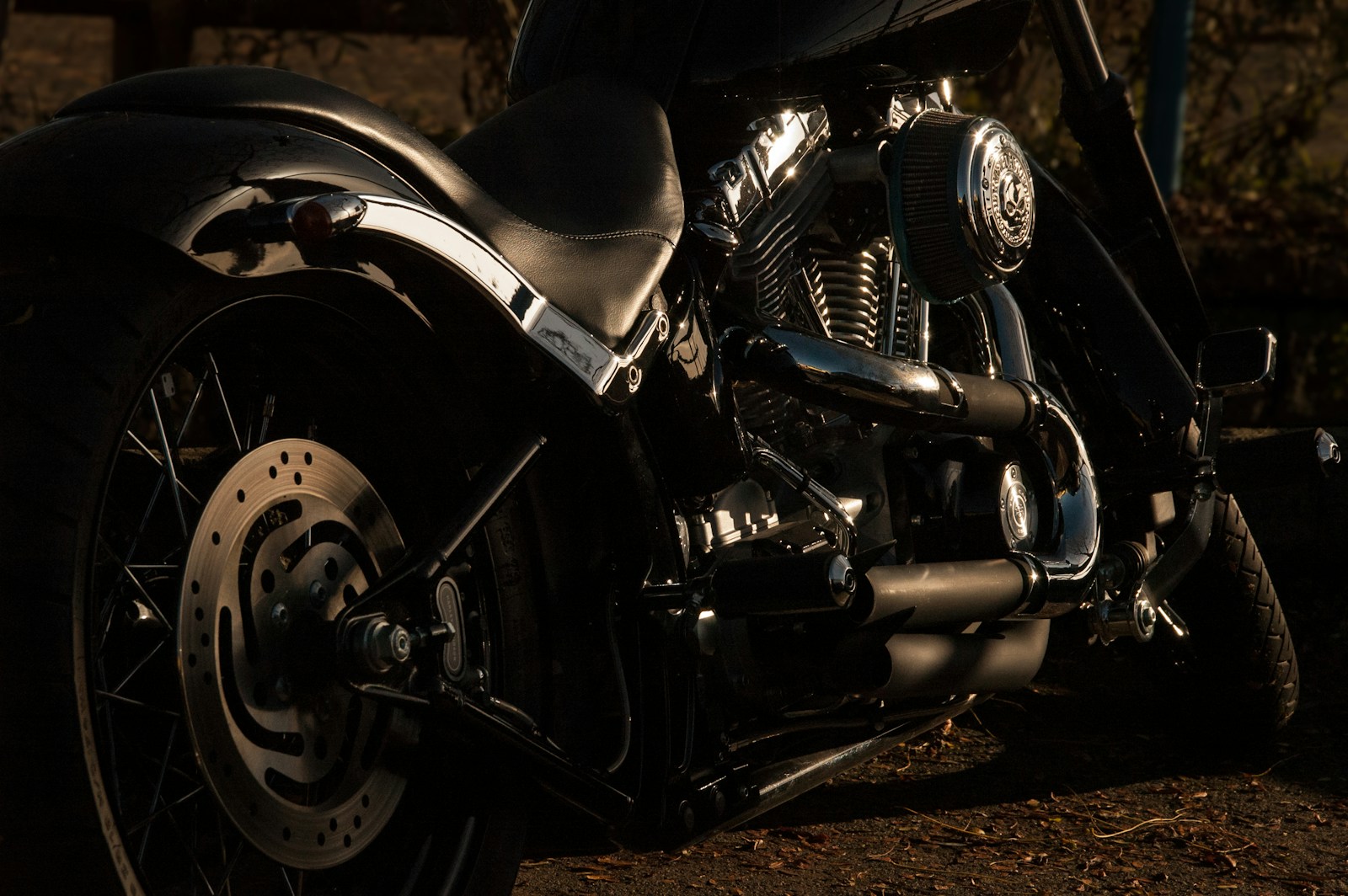
The budget‑tight rider constantly juggles three villains: the price tag, the law, and the chance that a cheap fix turns a weekend cruise into a police stop. A cracked down‑tube can be patched for a few hundred dollars, but a sub‑par weld may fail at the next pothole, costing twice as much—or landing you on the road with a busted frame. Knowing the exact point where a weld stops being a bargain and a new piece becomes a necessity is the only way to keep cash in the pocket and the bike street‑legal.
Can a weld hold up to street‑legal abuse?
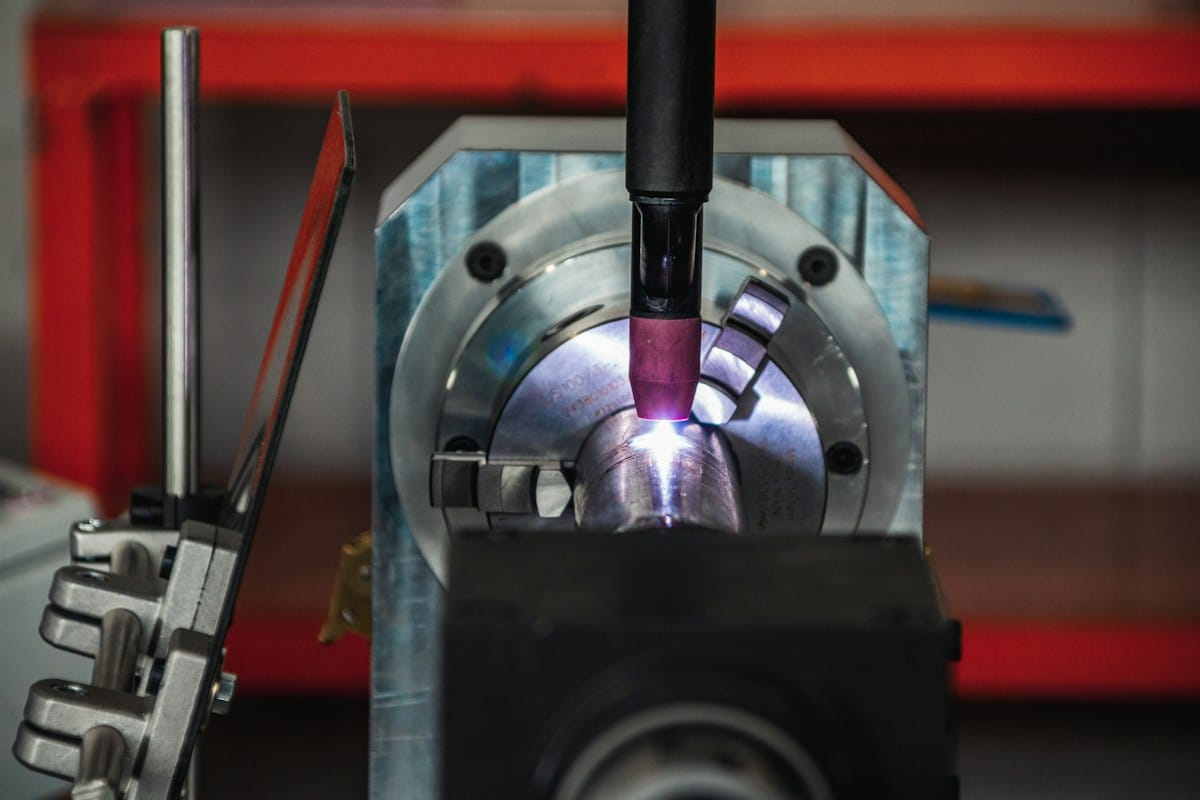
Welding a steel backbone is not a magic bullet; the joint must survive the same torsional loads a stock frame endures daily. A TIG weld performed by a certified metal‑shop technician, using proper pre‑heat and post‑heat cycles, can restore a bent tube to near‑original strength. Cheap arc‑weld kits sold at big‑box stores often leave porosity and insufficient penetration, turning a repaired section into a stress concentrator.
If the crack lies in a high‑stress node such as the swing‑arm pivot or the main cradle, a single bead is rarely sufficient. Reinforcing plates, staggered stitches, and a heat‑treatment schedule become mandatory, pushing material costs into the $150–$300 range before labor even begins. Ignoring these nuances invites fatigue cracks that appear weeks after the shop hands the bike back.
When does the frame anatomy demand a new piece?
Cracks that spider outward from the tube wall signal that the metal has been overstressed and likely suffered micro‑fracture beyond visual repair. Rust‑eaten sections, especially in the lower frame rails, compromise the weld’s ability to fuse properly because the filler metal cannot bond to deteriorated steel.
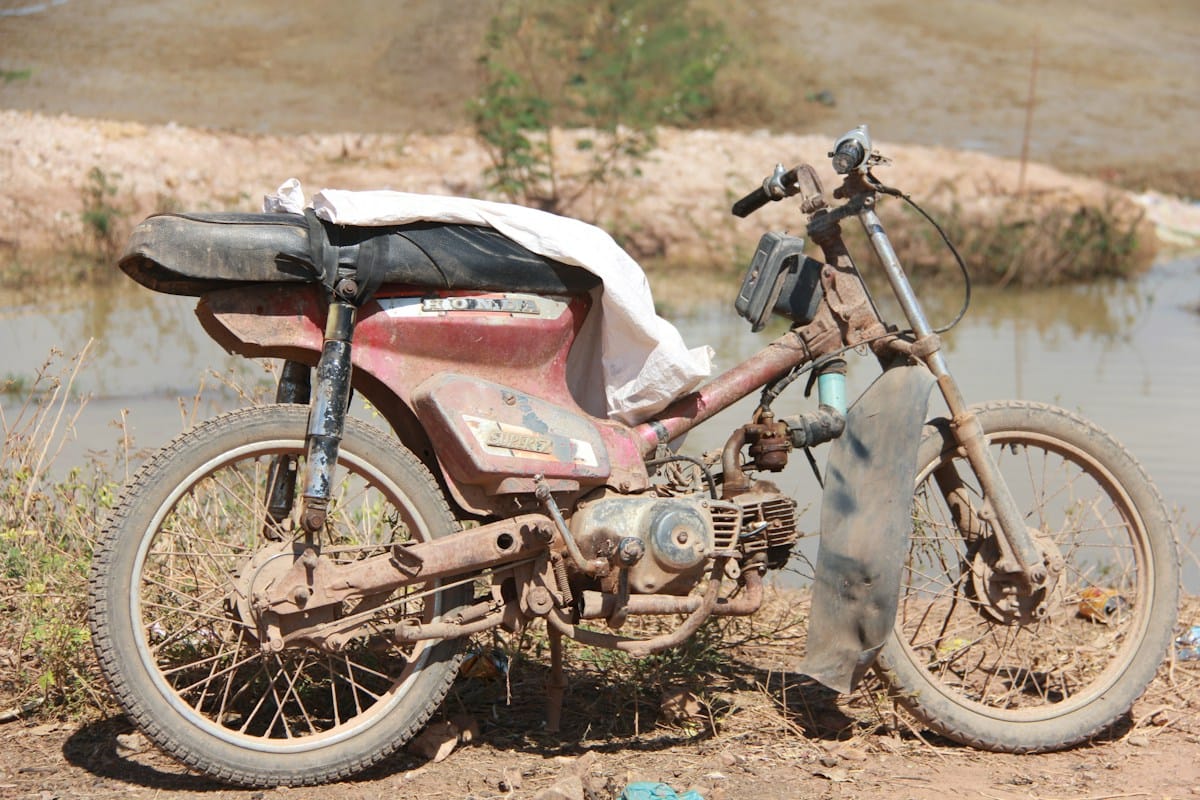
Even a perfectly straightened tube will retain a memory of the bend, known as residual stress, which can cause the weld to peel under repeated loads. In such cases, replacing the affected member eliminates the hidden strain and restores the geometry that manufacturers calibrated for handling.
How do budget constraints shape the decision?
A typical frame‑replacement job on a mid‑size cruiser involves sourcing a donor frame or a set of OEM tubes, which can run anywhere from $400 to $1,200 depending on rarity and condition. Shipping and alignment labor often add another $300–$600, meaning the total can exceed $1,500 for a bike that originally cost $4,000.
Meanwhile, a competent weld shop might quote $250–$500 for a single repair, but expect additional fees for sandblasting, protective coating, and a road‑test certification that can push the final number toward $800. Those extra line items are where most budget guides miss the mark, leaving riders surprised by the final invoice.
What do the insurance folks actually care about?
Insurers look for documented proof that a repair meets the original equipment manufacturer’s specifications. A weld stamped with a shop’s certification number and a photo of the pre‑ and post‑repair measurements usually satisfies a standard liability policy. However, if the repair is performed by an unlicensed hobbyist, the policy may refuse to cover a claim arising from frame failure.
During a routine inspection, a state safety officer will tap the welded area with a hammer and listen for a clear ring. Any dull thud suggests a weak bond, prompting a mandatory re‑inspection that can add fines or force a replacement. Keeping a copy of the welder’s qualification sheet can save a rider from that bureaucratic nightmare.
Practical action steps: budgeting, tools, labor
Step 1: Inspect the frame with a bright flashlight and a magnetic probe; any rust that the magnet repels signals a compromised zone that will need cutting rather than welding. Step 2: Obtain at least three written estimates—one from a certified welding shop, one from a frame‑builder, and one from a dealer who offers refurbished OEM sections. Compare not just labor rates but also the inclusion of post‑weld heat treatment and a road‑worthiness test. Don’t ignore the cost of protective finishes; a proper powder‑coat or chrome‑plating after a weld can add $100–$250, but skipping it risks premature corrosion that undermines the repair. Finally, allocate a contingency fund equal to roughly 15 % of the lowest estimate; unexpected alignment tweaks or missing bolts are common once the bike is reassembled.
What to double‑check before you sign any invoice
Before handing over a check, verify that the shop’s welder holds a current AWS (American Welding Society) certification and that the steel grade matches the original frame specifications. Remember to request a signed receipt that lists each service, the exact materials used, and a warranty period; a written guarantee can be the difference between a painless ride and a costly return trip to the shop.
Keep reading
Cheap Exhausts That Can Get Your Bike Pulled Over
Learn how aftermarket pipes really affect sound, power, and legal compliance. Most guides skim the gray‑area rules and overpromise performance gains.